
An engine can look perfectly healthy from the outside while unwanted deposits slowly build up inside. Over time, heat, oxidation, fuel by-products, moisture, and contaminants can contribute to sludge and deposits that interfere with normal engine operation.
This issue becomes especially relevant for vehicles and industrial equipment operating in demanding UAE conditions. High temperatures, long driving periods, heavy loads, and stop-and-go operation can place additional stress on engine oil.
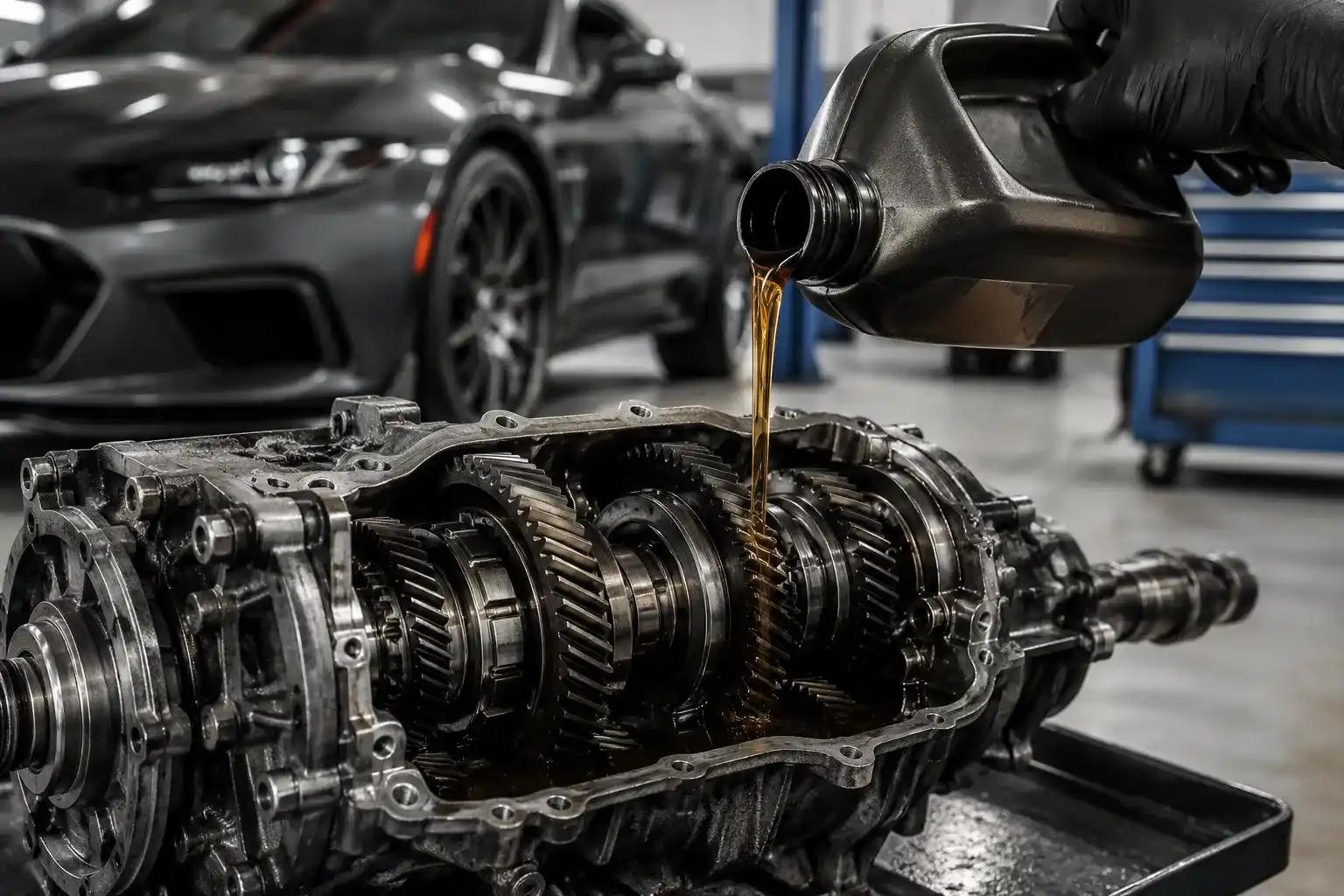
A well-formulated lubricant does more than reduce friction. Engine lubricant additives help the oil perform several specialised functions, including controlling deposits, keeping contaminants suspended, resisting oxidation, and protecting engine surfaces.
What Causes Sludge and Deposits?
Engine oil is exposed to considerable stress during normal operation.
High temperatures can accelerate oxidation, while combustion by-products and contaminants can enter the lubricant. Short operating cycles may also prevent the engine from reaching conditions where moisture and volatile contaminants can be effectively removed.
Over time, these factors can contribute to sludge, varnish, and deposits.
Sludge is generally a thick, unwanted accumulation of degraded oil and contaminants. Deposits can form on engine surfaces and components when certain contaminants and degraded lubricant materials accumulate.
If not properly controlled, these deposits can affect oil flow, component cleanliness, and overall engine performance.
How Engine Lubricant Additives Help
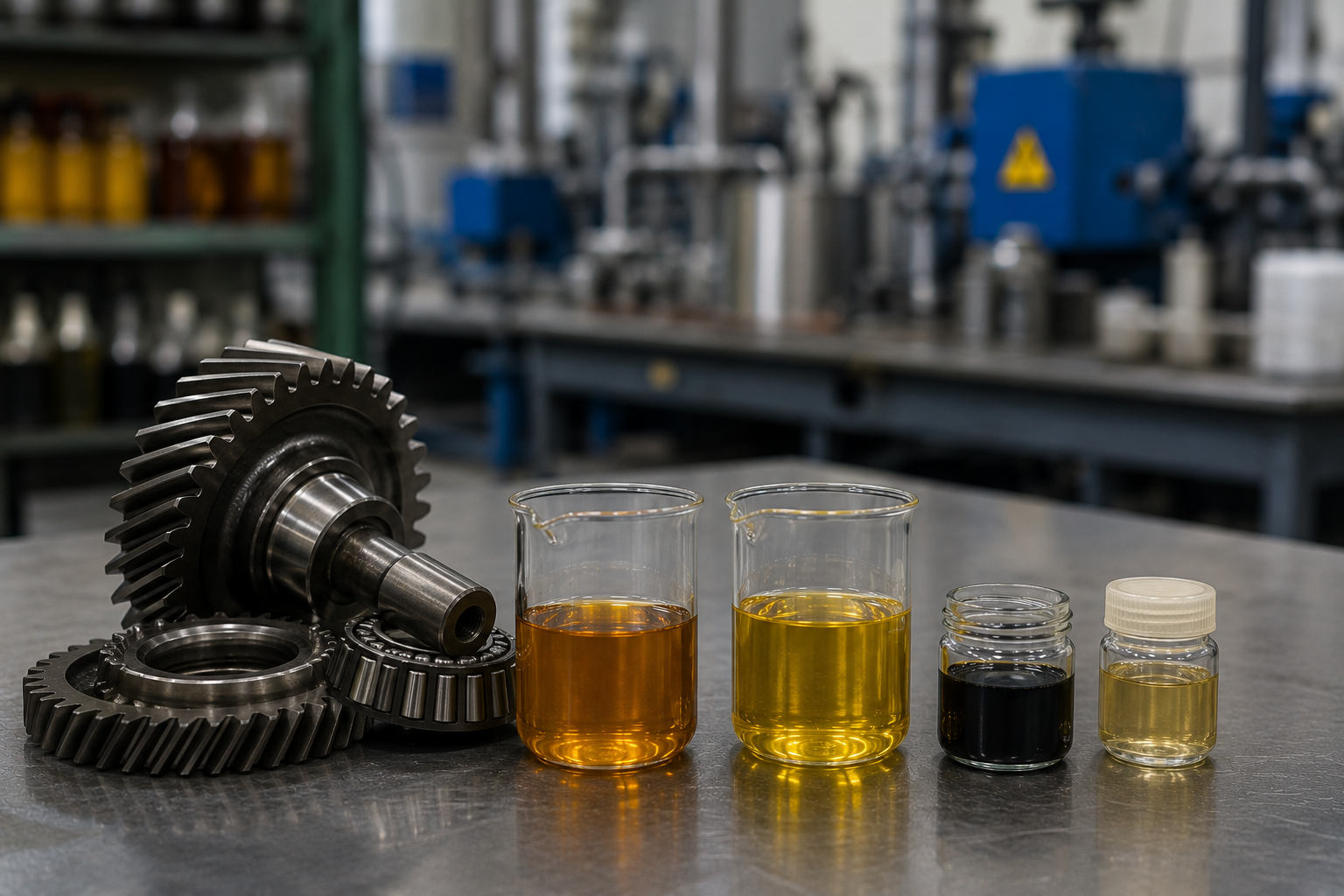
Base oil provides the foundation of engine lubricant, but modern engines require additional performance characteristics.
This is where engine lubricant additives become important.
A carefully balanced additive package may include detergents, dispersants, antioxidants, anti-wear additives, corrosion inhibitors, and other components. Each serves a different purpose, but they work together as part of the finished lubricant.
For sludge and deposit control, detergents and dispersants are particularly important.
The Role of Detergent Additives
Detergents help control deposits on engine surfaces.
During operation, certain combustion by-products and oxidation products can contribute to unwanted accumulation. Detergent additives help keep surfaces cleaner by interacting with these contaminants and helping prevent deposits from becoming firmly established under suitable conditions.
They also contribute to controlling acidic materials that can form during lubricant operation.
The exact detergent chemistry and concentration depend on the lubricant formulation and the performance requirements of the engine.
How Dispersants Control Contaminants
Dispersants perform a different but complementary function.
Rather than allowing contaminants to combine and settle into larger deposits, dispersants help keep certain contaminants finely suspended within the lubricant.
This allows the contaminants to remain dispersed until they can be removed during an oil change or through the engine's filtration system, depending on the contaminant and application.
This is particularly valuable for controlling sludge-forming materials.
A good detergent-disperse system therefore helps maintain engine cleanliness throughout the lubricant's intended service period.
Antioxidants Help Fight Oil Degradation
Heat and oxygen can cause engine oil to oxidise over time.
As oxidation progresses, the lubricant can become degraded and may contribute to varnish, sludge, and other unwanted by-products.
Antioxidant additives help slow oxidation reactions within the lubricant.
For engines operating in hot UAE environments, oxidation control can be particularly relevant because elevated operating temperatures can place additional demands on lubricant stability.
However, additive technology works alongside proper oil selection and maintenance. No additive package can compensate indefinitely for severely overheated or excessively degraded oil.
Why Clean Engine Components Matter
Sludge and deposits are not simply cosmetic problems.
Heavy accumulation can interfere with oil passages, affect moving components, and reduce the lubricant's ability to circulate effectively. Deposits can also influence engine cleanliness and component operation.
Maintaining a clean internal environment helps the lubricant reach areas that need protection and allows components to operate as designed.
This is one reason modern engine oils are formulated with specific cleanliness and deposit-control requirements.
UAE Operating Conditions Make Formulation Important
Vehicles, generators, construction machinery, and industrial equipment in the UAE may operate for long periods in high ambient temperatures.
Fleet vehicles may also experience frequent traffic, extended idling, heavy loads, and repeated operating cycles.
These conditions can place additional demands on engine oil.
When selecting engine lubricant additives, formulators should consider the engine design, base oil, operating temperature, fuel type, drain interval, emissions technology, and required performance specifications.
The correct additive package should be selected as part of the complete lubricant formulation rather than evaluated as an isolated ingredient.
Practical Ways to Support Engine Cleanliness
Additives are only one part of good engine maintenance. Operators can also help control sludge and deposits by:
Using the correct engine oil specification
Following recommended oil-change intervals
Replacing oil filters as required
Avoiding prolonged operation with degraded oil
Monitoring abnormal engine temperatures
Using suitable fuel and maintaining the fuel system
Following the equipment manufacturer's recommendations
Good maintenance and properly formulated lubricant technology work together.
Final Thoughts
Sludge and deposits can develop gradually, making them easy to overlook until they begin affecting engine operation. The right lubricant formulation can help prevent this buildup and maintain cleaner internal components.
Engine lubricant additives play an important role by supporting detergent action, dispersing contaminants, controlling oxidation, and protecting the lubricant under demanding conditions.
For lubricant manufacturers serving the UAE market, selecting the right additive technology requires careful consideration of the engine, base oil, operating conditions, and required performance standards.
FAQs
What are engine lubricant additives?
They are specialised chemical components added to lubricants to improve properties such as deposit control, oxidation resistance, wear protection, corrosion control, and overall lubricant performance.
Which additives help control sludge?
Detergents and dispersants are particularly important for sludge and deposit control. Antioxidants also help by slowing lubricant oxidation that can contribute to sludge formation.
Can additives completely remove existing engine sludge?
Not necessarily. Additives are primarily formulated to help control deposits and maintain cleanliness during lubricant service. Severe existing sludge may require professional inspection and appropriate cleaning procedures.
Why is sludge control important in hot climates?
Higher operating temperatures can accelerate lubricant oxidation and degradation. Properly formulated engine oil can help manage these stresses and support engine cleanliness.






Write a comment ...